

Smart Labels, Smarter Business: How RFID Technology Is Changing Product Tracking
Smart Labels, Smarter Business: How RFID Technology Is Changing Product Tracking
The Evolution of Product Labeling
Product labels have come a long way from simple identification stickers. Today, labels are becoming intelligent tools that help businesses manage inventory, monitor assets, improve customer experiences, and optimize supply chains in real time.
At the center of this transformation is RFID technology.
RFID, or Radio Frequency Identification, is helping businesses move beyond traditional barcode systems by enabling wireless product tracking and automated inventory management. As industries continue to demand faster operations and better visibility, RFID labels are becoming a critical component of modern business infrastructure.
What Are RFID Labels?
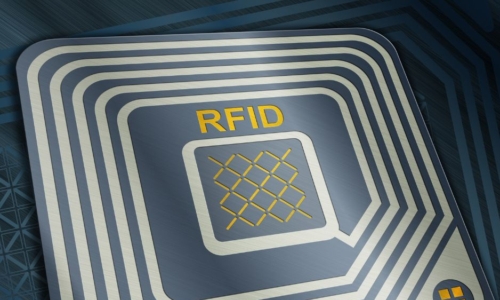
RFID labels combine traditional label materials with embedded RFID inlays containing a microchip and antenna. These smart labels communicate with RFID readers through radio waves, allowing products to be identified and tracked automatically.
Unlike barcodes that require direct line-of-sight scanning, RFID labels can be scanned remotely and in bulk. This dramatically improves operational speed and efficiency.
RFID labels are now being used across industries including:
- Retail
- Warehousing
- Manufacturing
- Healthcare
- Logistics
- Aerospace
- Food distribution
Why Businesses Are Switching to RFID
Companies are under increasing pressure to improve inventory accuracy, reduce operational costs, and gain real-time visibility across their supply chains. Traditional manual systems often create bottlenecks and inaccuracies that slow growth.
RFID technology helps eliminate many of these challenges.
Real-Time Inventory Visibility
RFID systems allow businesses to track products instantly throughout the supply chain. Inventory counts that once took hours or days can now be completed in minutes.
Faster Operations
RFID labels speed up receiving, shipping, fulfillment, and inventory management by eliminating manual barcode scanning.
Reduced Human Error
Automated tracking reduces mistakes caused by manual data entry and inconsistent scanning procedures.
Better Asset Tracking
Businesses can track valuable assets, equipment, and inventory with greater precision and accountability.
Improved Customer Experience
Retailers can provide more accurate stock availability, faster fulfillment, and improved omnichannel shopping experiences.
RFID Is Driving the Future of Retail
Retail has become one of the fastest-growing sectors for RFID adoption. Modern consumers expect seamless shopping experiences, accurate inventory availability, and fast fulfillment.
RFID helps retailers achieve all three.
By implementing RFID labels, retailers can:
- Improve inventory accuracy
- Reduce out-of-stock situations
- Speed up inventory counts
- Enhance loss prevention
- Support buy-online-pickup-in-store operations
Many leading retailers now rely on RFID to manage millions of products across multiple locations with greater efficiency.
The Role of RFID in Logistics and Warehousing
Warehouses and distribution centers depend on speed and accuracy. RFID technology helps operations run more efficiently by automating inventory tracking and shipment verification.
RFID labels can help warehouses:
- Track pallets and cartons automatically
- Improve fulfillment accuracy
- Reduce shipping errors
- Increase operational visibility
- Streamline receiving and outbound processes
As supply chains continue to become more complex, RFID provides businesses with the visibility needed to make smarter decisions faster.
Smart Labels and Sustainability
Sustainability is becoming increasingly important across every industry. RFID technology supports sustainability efforts by improving operational efficiency and reducing waste.
Smarter inventory management means businesses can:
- Reduce excess inventory
- Minimize product loss
- Improve demand forecasting
- Lower unnecessary shipping costs
- Support circular economy initiatives
RFID also enables better product traceability, helping companies monitor products throughout their entire lifecycle.
The Future of Connected Products
RFID technology is evolving beyond inventory management. Smart labels are becoming part of connected product ecosystems that combine physical products with digital experiences.
This creates opportunities for:
- Product authentication
- Consumer engagement
- Supply chain transparency
- Smart packaging
- Digital product passports
As businesses continue investing in automation and connected technologies, RFID will play an even larger role in operational strategy.
Why the Right Labeling Partner Matters
Implementing RFID successfully requires more than simply adding smart tags to products. Businesses need labeling solutions that are durable, reliable, and designed for their specific operational environments.
Factors such as material selection, adhesive performance, environmental conditions, and RFID compatibility all impact long-term performance.
Choosing an experienced labeling partner helps ensure RFID systems operate efficiently and scale effectively.
Impact Label and the Future of RFID Solutions
At Impact Label, we understand how advanced labeling technologies are reshaping modern business operations. RFID labels provide businesses with powerful tools to improve efficiency, increase visibility, and support long-term growth.
From inventory management to asset tracking and supply chain optimization, smart labeling solutions are helping businesses operate faster and smarter than ever before.
As RFID adoption continues to grow across industries, companies that invest in intelligent labeling technologies today will be better positioned for the future tomorrow.