

What Materials Are Best for Control Panel Overlays?
What Materials Are Best for Control Panel Overlays?
Control panel overlays are used across industrial equipment, medical devices, electronics, appliances, automotive systems, and other products where users need a durable interface to operate equipment. While the design of an overlay is important, choosing the right material can have an even greater impact on its performance and lifespan.
The best materials for control panel overlays are typically polycarbonate and polyester. Both materials offer excellent durability, printability, and design flexibility, but they perform differently depending on the application and operating environment.
For OEMs and manufacturers, choosing between polyester, polycarbonate, and other overlay materials requires considering factors such as chemical exposure, UV exposure, temperature, abrasion, flexibility, and expected usage.
What Is A Control Panel Switch Overlay?
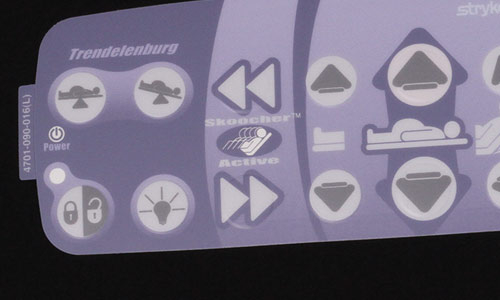
A control panel overlay, sometimes called a graphic overlay, is the printed surface users see and interact with on a control panel.
The overlay can display buttons, symbols, instructions, branding, warning information, and other graphics. It also protects the components underneath from dirt, moisture, chemicals, and everyday wear.
Because it serves both a functional and visual purpose, the overlay material needs to withstand the environment in which the equipment will operate while maintaining its appearance and readability.
What Are the Best Materials for Graphic Overlays?
For most control panels, polyester and polycarbonate are the two most commonly considered materials. The right choice depends on the demands of the application.
Polyester Overlays
Polyester is an excellent choice for applications that require high durability and repeated use.
One of polyester’s biggest advantages is its resistance to flexing and repeated actuation. This makes it well suited for control panels with buttons that may be pressed thousands or even millions of times throughout the product’s life.
Polyester can also provide strong resistance to chemicals, moisture, abrasion, and many cleaning agents.
Common applications include:
- Industrial control panels
- Medical equipment
- Electronic devices
- Manufacturing machinery
- Keypads and frequently used membrane switches
- Equipment exposed to demanding environments
For OEMs producing equipment that will experience frequent interaction or harsh operating conditions, polyester is often a strong option.
When Is Polycarbonate a Better Choice?
Polycarbonate is another popular material for graphic overlays and control panels.
One of its major advantages is its versatility. Polycarbonate is easy to print, emboss, texture, and fabricate, allowing manufacturers to create highly customized interfaces.
It can be a good choice for applications where visual appearance, complex graphics, or specialized surface finishes are especially important.
Polycarbonate overlays are commonly found on:
- Electronic controls
- Appliances
- Equipment interfaces
- Control panels
- Displays
- Indoor industrial equipment
However, polyester may offer advantages over polycarbonate when an application involves extremely frequent button actuation or exposure to certain harsh chemicals.
Polyester vs. Polycarbonate: Which Is Better?
There isn’t one material that’s best for every control panel.
Polyester is generally preferred for demanding applications involving frequent use, flexing, chemicals, or abrasion. Polycarbonate is often selected when design flexibility, graphics, embossing, and customization are priorities.
When comparing materials, manufacturers should consider:
Durability: How frequently will users interact with the control panel?
Chemical resistance: Will the surface encounter cleaners, oils, solvents, or industrial chemicals?
Temperature: Will the equipment operate in environments with significant temperature changes?
UV exposure: Will the control panel be used outdoors or exposed to direct sunlight?
Abrasion: Will the surface experience frequent touching, cleaning, rubbing, or contact with equipment?
Appearance: Does the product require specific colors, textures, transparent windows, branding, or decorative elements?
Answering these questions helps determine which material and construction will deliver the best long-term performance.
What About Outdoor Control Panel Overlays?
Outdoor applications require additional consideration.
Sunlight, moisture, temperature fluctuations, dirt, and weather can cause poorly specified overlays to fade, crack, peel, or become difficult to read.
For outdoor control panels, manufacturers should consider materials, inks, coatings, and adhesives specifically designed to withstand UV exposure and environmental conditions.
The overlay itself is only one component of the finished product. The printing method, adhesive system, surface coating, and underlying substrate can all affect performance.
Why Is Adhesive Important?
Even the best overlay material won’t perform properly if the adhesive isn’t matched to the application.
Different surfaces—including metal, painted metal, powder-coated surfaces, and various plastics—can require different adhesive solutions.
Environmental factors also matter. Heat, moisture, chemicals, and surface texture can affect how well an overlay remains bonded over time.
That’s why OEMs should evaluate the entire overlay construction, rather than selecting a face material alone.
How Do You Choose the Right Control Panel Overlay Material?
The best material depends on how and where the finished product will be used.
Before manufacturing a graphic overlay, consider the expected environment, frequency of use, surface material, exposure to chemicals, temperature range, UV exposure, and required lifespan.
Working with an experienced custom label and graphic overlay manufacturer can help identify the right combination of polyester, polycarbonate, adhesives, inks, coatings, and finishing options for the application.
Custom Graphic Overlays From Impact Label
Impact Label works with OEMs and manufacturers to create custom graphic overlays and product identification solutions designed for demanding applications.
Whether you need a durable overlay, custom control panel graphics, specialized adhesives, or a solution capable of handling challenging environmental conditions, choosing the right materials from the beginning can help improve product performance, appearance, and longevity.
Need help determining the best material for your control panel overlay? Contact Impact Label to discuss your application and find a solution designed around your product’s specific requirements.